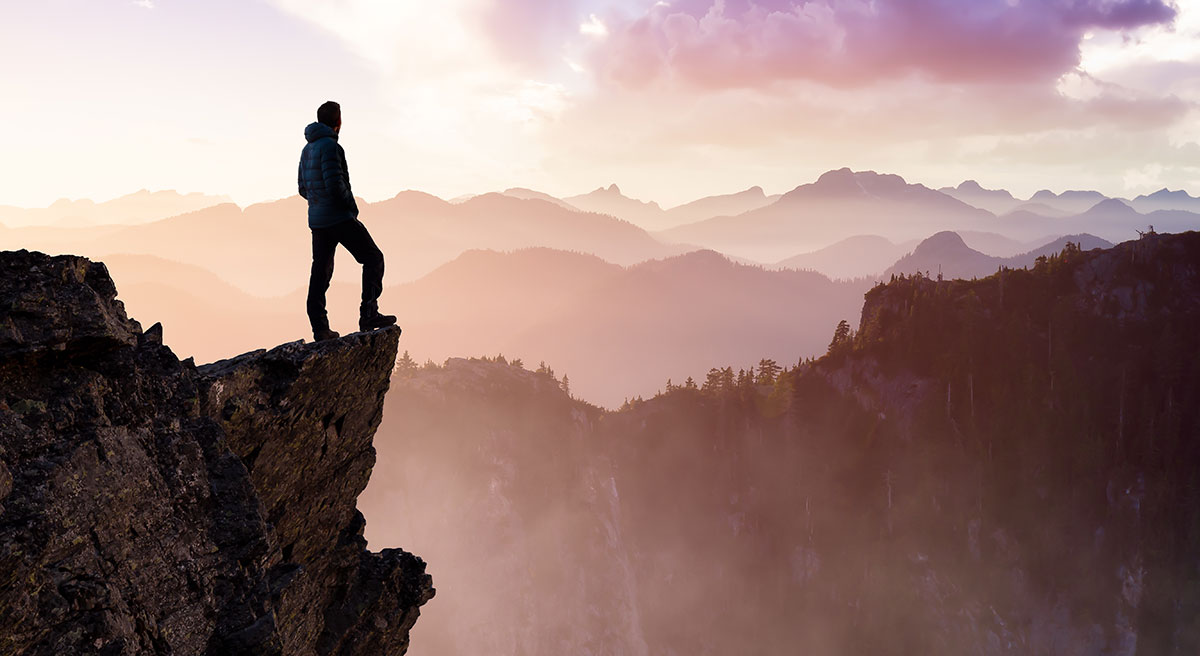
Growing up in Chelmsford, Massachusetts, I spent a lot of my time outdoors. Hiking in the forests, skiing down local slopes, and camping in the summer taught me valuable lessons about patience, problem-solving, and teamwork. Those experiences shaped not only my personal life but also the way I approach leadership and manage teams in my professional career.
Learning Patience and Adaptability in Nature
The outdoors teaches patience in ways that no classroom or office ever could. Trails are not always straightforward. Weather can change suddenly. Equipment can fail, and unexpected obstacles often appear. These experiences forced me to slow down, assess situations carefully, and adjust my approach as needed.
“In the field, you learn quickly that rushing leads to mistakes,” I often say. “The same is true in the workplace. Patience and adaptability are key to effective leadership.”
When managing a team, challenges rarely go according to plan. Deadlines shift, resources change, and new problems arise. By practicing patience and remaining flexible, a leader can guide a team through uncertainty without losing focus or momentum.
The Value of Planning and Preparation
Spending time outdoors also taught me the importance of preparation. Planning a multi-day camping trip or navigating a complex ski trail requires foresight, careful organization, and attention to detail. You need to think through potential problems, pack the right gear, and ensure everyone understands their role.
“These planning skills translate directly to managing projects,” I explain. “If you take the time to prepare and anticipate challenges, you can handle issues more effectively when they arise.”
In the workplace, preparation might include mapping out project milestones, allocating resources carefully, and clearly communicating expectations to team members. Thoughtful preparation ensures that a team can operate efficiently and reduces the likelihood of setbacks.
Teamwork Lessons from the Trails
Perhaps the most important lesson I learned from the outdoors is the value of teamwork. Whether you are climbing a mountain or setting up a campsite, success depends on collaboration. Each person has responsibilities, and the group succeeds only when everyone works together.
“On a trail, one person’s mistake can affect the whole team,” I say. “In a project, it is the same. Leaders must foster trust, communication, and accountability among their teams.”
Effective leaders listen to their team members, acknowledge their strengths, and support them when challenges arise. Nature reinforces the importance of relying on others while also contributing your own skills to help the group succeed.
Problem Solving in Real Time
Nature presents challenges that require immediate problem-solving. A fallen tree on a trail, a sudden change in weather, or an unexpected river crossing demands quick thinking. Outdoor experiences taught me to analyze situations, weigh options, and make decisions under pressure.
“In leadership, you will face unexpected challenges. How you respond sets the tone for your team,” I explain. “Outdoor problem-solving is practice for real-world leadership.”
By approaching problems calmly and methodically, leaders can guide their teams through uncertainty and maintain morale even in difficult situations.
Building Resilience and Confidence
Outdoor experiences also build resilience. Long hikes, difficult climbs, and multi-day camping trips require both physical and mental endurance. Completing these challenges instills confidence and reinforces the belief that obstacles can be overcome with effort and perseverance.
“These lessons are invaluable in leadership,” I note. “Teams face setbacks, and leaders must remain resilient. Showing confidence and composure inspires others to push forward.”
Resilient leaders help their teams develop similar strength, creating an environment where challenges are met with determination rather than frustration or fear.
Applying Outdoor Lessons to the Workplace
Throughout my career, including my work with conservation agencies and energy management, I have applied lessons from the outdoors to professional settings. Planning, patience, adaptability, teamwork, problem-solving, and resilience are all essential skills for effective leadership.
“I encourage my teams to approach projects like they would an expedition,” I explain. “Plan carefully, communicate clearly, stay flexible, and support one another. Those principles make for stronger, more capable teams.”
By embracing these principles, leaders can create an environment where team members feel valued, capable, and confident in their work.
Leadership Beyond the Office
The outdoors offers more than recreation. It provides a living classroom for leadership development. Hiking, camping, skiing, and exploring nature teach lessons in patience, preparation, teamwork, problem-solving, and resilience that directly apply to managing teams and projects.
“Nature has a way of showing you what is important,” I reflect. “It teaches you how to lead with intention, empathy, and adaptability. These lessons make you a better leader both in the field and in the office.”
By incorporating these experiences and lessons into everyday leadership practices, anyone can become a more effective, thoughtful, and resilient leader. For me, the connection between the outdoors and professional growth has been invaluable, and it continues to shape the way I approach every project and every team I lead.